Knee pain can affect people at almost any stage of life, from young athletes recovering from sports injuries to older adults experiencing gradual changes caused by arthritis and cartilage wear. When knee pain begins to interfere with walking, climbing stairs, exercising, or performing everyday activities, patients often want to know which treatment option is best for them. While some knee problems improve with rest, physiotherapy, exercise, weight management, and other conservative treatments, others may eventually require surgical intervention. In recent years, Platelet-Rich Plasma (PRP) therapy has gained popularity as a minimally invasive treatment option for selected knee conditions. This has led many patients to ask an important question: Can PRP replace surgery? The answer is not straightforward. PRP and surgery are not competing treatments for every type of knee problem, and the appropriate choice depends on the underlying cause, severity of damage, age, activity level, and overall health of the patient. For some individuals with early or moderate knee problems, PRP may be considered as part of a non-surgical treatment plan. However, when there is advanced joint damage, a major structural injury, or severe loss of function, surgery may be the more appropriate option. Understanding the differences between these treatments can help patients make informed decisions in consultation with their orthopaedic specialist.
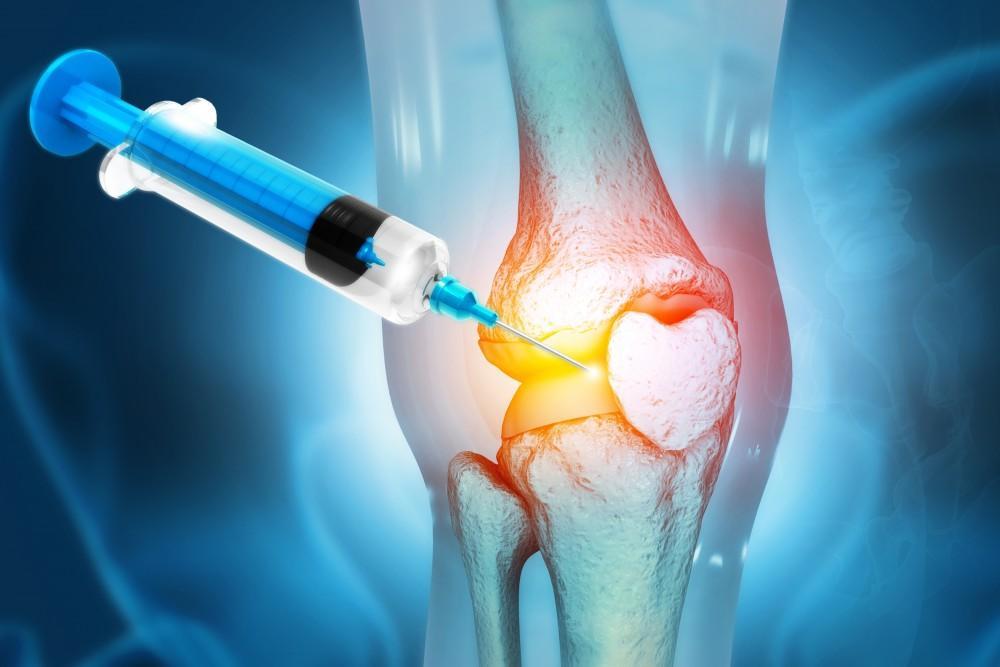
PRP therapy for knee pain uses a concentrated preparation made from the patient’s own blood. During the procedure, a small amount of blood is collected and processed to concentrate the platelets, which contain growth factors and other biological substances involved in the body’s natural healing processes. The prepared PRP is then injected into the affected area of the knee under appropriate medical guidance. PRP may be considered for selected patients with conditions such as mild to moderate knee osteoarthritis and certain sports-related injuries or soft-tissue problems. The proposed aim is to support the body’s natural healing response, potentially reduce pain, and improve joint function. However, PRP is not a guaranteed cure and does not restore severely damaged cartilage or reverse advanced arthritis. The response to treatment can also vary significantly between patients. Some may experience meaningful improvement in pain and mobility, while others may see limited benefit. This is why PRP should be considered only after a proper diagnosis and assessment of the knee. Factors such as the extent of cartilage damage, alignment of the knee, joint stability, activity level, and overall health all influence whether PRP is likely to be an appropriate option.

For many patients, the first step in managing knee pain is conservative treatment, particularly when the condition is mild or moderate. Depending on the diagnosis, this may include physiotherapy, muscle-strengthening exercises, weight management, activity modification, medications, and other non-surgical measures. These treatments aim to improve the strength and function of the muscles surrounding the knee while reducing stress on the joint. PRP may sometimes be considered when symptoms continue despite appropriate conservative management, particularly in patients who are not yet candidates for major surgery. However, the decision should be based on the underlying cause of knee pain rather than simply the patient’s desire to avoid surgery. For example, a patient with early-stage osteoarthritis may potentially benefit from a combination of exercise therapy, weight management, and, in selected cases, PRP. On the other hand, someone with advanced arthritis, severe cartilage loss, significant deformity, or substantial limitation in daily activities may require a different treatment approach. It is also important to distinguish between conditions that may respond to biological treatments and structural problems that require surgical correction. A thorough clinical examination and appropriate imaging, such as X-rays or MRI scans when indicated, help the orthopaedic specialist understand the extent of damage and recommend the most suitable course of action.
Knee surgery becomes an important consideration when there is significant structural damage that cannot be adequately addressed through non-surgical treatments. Depending on the condition, surgical options may include arthroscopic procedures, ligament reconstruction, cartilage-related procedures, or knee replacement surgery. For patients with advanced knee osteoarthritis and severe joint damage, knee replacement surgery may provide a more definitive solution when pain and loss of function significantly affect quality of life. Similarly, certain ligament injuries or major structural problems may require surgical repair or reconstruction to restore stability and function. Choosing surgery does not mean that conservative treatments have failed in every case; rather, it may indicate that the underlying problem requires mechanical correction that injections or physiotherapy cannot provide. Conversely, undergoing surgery when it is not necessary should also be avoided. The goal of modern orthopaedic care is to identify the least invasive treatment that can effectively address the patient’s specific problem. This is why the decision between PRP and surgery should never be based solely on advertisements, social media trends, or the desire to choose the treatment that sounds less invasive. A personalized assessment is essential to determine whether the knee condition is likely to improve with non-surgical care or whether surgery offers a more appropriate and durable solution.
Ultimately, the question is not simply “PRP or surgery?” but rather “What treatment is right for my knee at this stage?” PRP may have a role in managing certain knee conditions, particularly in carefully selected patients who have not achieved sufficient relief through conventional non-surgical care and who do not yet have a clear indication for major surgery. However, it should not be considered a universal replacement for surgery, especially when advanced joint degeneration or significant structural damage is present. Similarly, surgery should not be viewed as the first or only answer to every knee problem. The best treatment plan is one that considers the patient’s symptoms, diagnosis, imaging findings, lifestyle, expectations, and long-term goals. If knee pain is affecting your ability to walk, exercise, work, or enjoy everyday activities, consulting an experienced orthopaedic specialist or knee surgeon can help determine the underlying cause and explain the available treatment options. With the right diagnosis and a personalized approach, patients can make informed decisions about whether conservative care, PRP therapy, surgery, or a combination of treatments is most appropriate for their individual knee condition. The ultimate goal is not simply to avoid surgery—it is to achieve the best possible outcome for long-term pain relief, mobility, and quality of life.
Dr Subodh M Shetty & Team
Expert Spine Surgeon