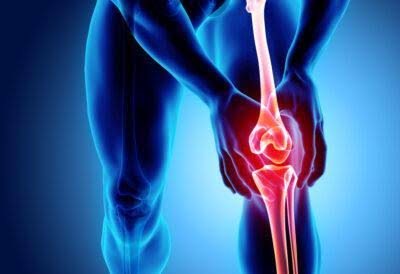
Knee pain is a common orthopaedic problem that can affect people of different age groups and activity levels. While knee pain may sometimes result from an injury or overuse, it can also develop gradually due to age-related wear and tear, cartilage damage, or conditions such as osteoarthritis. For many patients, the initial approach to managing knee pain may include activity modification, physiotherapy, weight management, medications, and targeted exercises. However, when symptoms continue despite these measures, patients often begin exploring additional treatment options that may help reduce pain and improve function. One such option is Platelet-Rich Plasma (PRP) therapy, a treatment that uses components from the patient’s own blood. PRP has gained attention in orthopaedic medicine and sports injury management because of its potential role in supporting the body’s natural healing processes. The treatment involves concentrating platelets from a patient’s blood and delivering them to the affected area. While PRP is not a guaranteed cure for every type of knee problem, it may be considered for selected patients depending on the underlying condition, severity of symptoms, and overall health. Understanding how PRP works, what the treatment involves, and who may benefit from it can help patients make informed decisions about their knee health.
PRP therapy, or Platelet-Rich Plasma therapy, begins with a small sample of the patient’s own blood, usually collected through a simple blood draw. The sample is then processed using a specialized centrifugation technique to separate and concentrate the platelets and other components of the blood. Platelets are best known for their role in blood clotting, but they also contain various growth factors and proteins that participate in the body’s natural tissue-repair processes. Once the platelet-rich portion has been prepared, it is carefully injected into the targeted area of the knee under appropriate medical guidance. The procedure is generally performed as an outpatient treatment and typically does not require a hospital stay. Because PRP is prepared from the patient’s own blood, the risk of an allergic reaction to the injected material is generally low. However, the procedure should always be performed by a qualified medical professional after determining whether it is appropriate for the individual’s condition. The exact preparation method, platelet concentration, number of injections, and treatment schedule can vary depending on the patient’s diagnosis and the medical protocol being followed. PRP should therefore be viewed as an individualized treatment rather than a one-size-fits-all solution for knee pain.
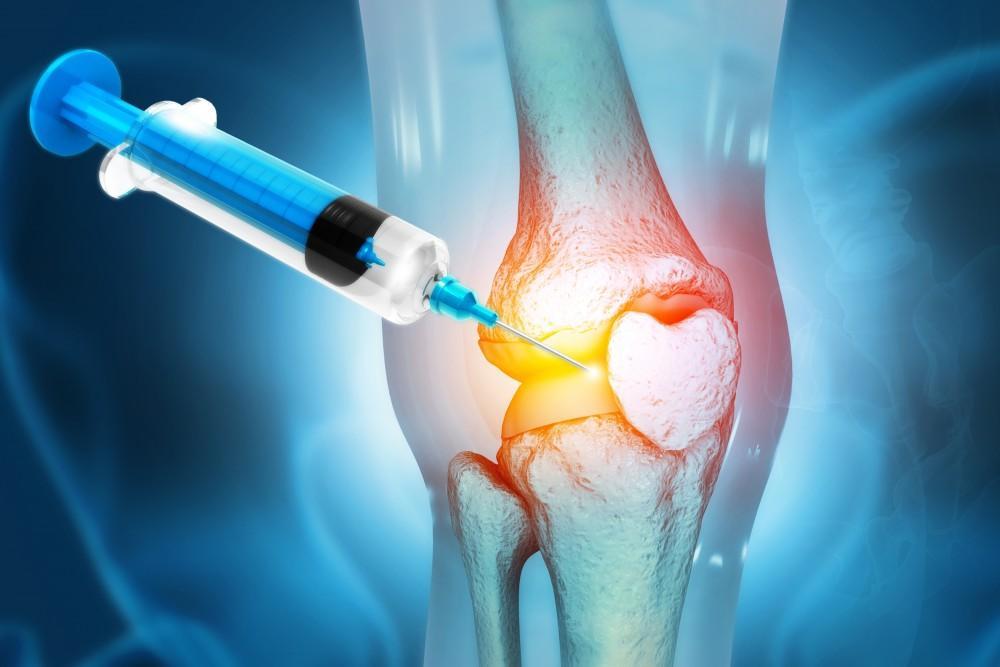
PRP may be considered for certain patients experiencing knee osteoarthritis, particularly those with mild to moderate symptoms, as well as some sports-related injuries and selected tendon or ligament problems around the knee. The proposed benefit of PRP is that the concentrated platelets may release biological substances that could support the body’s natural healing response and potentially help reduce inflammation and pain. Some patients report improvement in pain and mobility following treatment, although the response can vary considerably from person to person. It is important to understand that PRP does not rebuild severely damaged cartilage or reverse advanced arthritis, and it should not be presented as a replacement for joint replacement surgery when the knee has reached an advanced stage of degeneration. The potential benefits also depend on several factors, including the patient’s age, activity level, severity of cartilage damage, overall health, and the specific cause of knee pain. A detailed clinical evaluation is therefore essential before considering PRP. In some cases, PRP may be recommended alongside physiotherapy, strengthening exercises, weight management, and other non-surgical treatments as part of a comprehensive approach to knee care.
Patients considering PRP injections for knee pain should have realistic expectations about the treatment and recovery process. PRP is generally performed as a minimally invasive procedure, but some patients may experience temporary soreness, swelling, or discomfort at the injection site following treatment. These symptoms usually settle with appropriate care, but patients should follow their doctor’s instructions regarding physical activity, medications, and rehabilitation after the injection. Depending on the condition being treated, improvement may not be immediate and can take time to develop. A rehabilitation programme involving appropriate strengthening and mobility exercises may be recommended to support functional recovery. It is also important to remember that PRP is not suitable for everyone. Patients with certain medical conditions, blood-related disorders, active infections, or other specific health concerns may require alternative treatment approaches. The use of blood-thinning medications and certain anti-inflammatory medicines may also need to be discussed with the treating doctor before the procedure. Most importantly, patients should avoid choosing PRP simply because it is marketed as a “natural” or “regenerative” treatment. A proper diagnosis should always come first, because knee pain can arise from different causes, and the most effective treatment depends on the underlying problem.
The decision to undergo PRP therapy should be made after a thorough assessment by an experienced orthopaedic specialist or knee surgeon. PRP can be a useful treatment option for selected patients, but its effectiveness is not the same for every individual or every type of knee condition. The goal of treatment is to reduce symptoms, improve function, and help patients remain active while managing the underlying condition appropriately. For some patients, PRP may be considered when conservative treatments have not provided sufficient relief and surgery is not yet indicated. For others, physiotherapy, lifestyle modification, medications, or surgical treatment may be more appropriate depending on the severity and cause of the knee problem. Early evaluation can help identify the source of pain and prevent patients from delaying treatments that may be more suitable for their condition. If knee pain is affecting your ability to walk, climb stairs, exercise, or perform everyday activities, consulting a qualified orthopaedic specialist can help you understand your options. PRP therapy may offer a promising non-surgical approach for carefully selected patients, but the right treatment is always the one that matches the individual’s diagnosis and needs. With an accurate diagnosis, realistic expectations, and a personalized treatment plan, patients can take informed steps towards better knee function, improved mobility, and a more active quality of life.
Dr Subodh M Shetty & Team
Expert Spine Surgeon