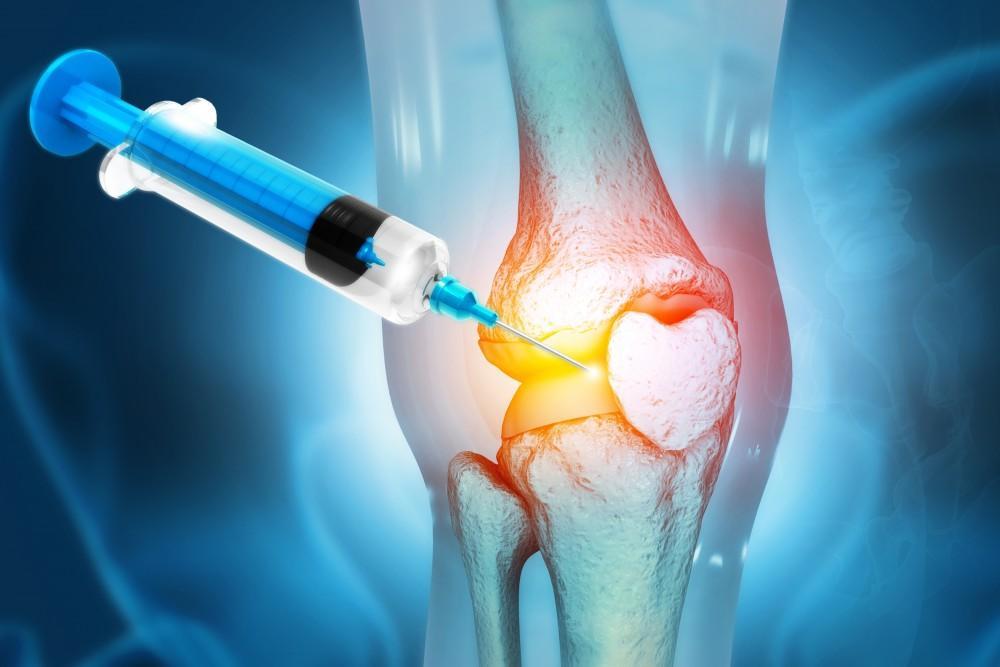
Disc fusion surgery, more commonly referred to as spinal fusion surgery, is an established surgical procedure used to stabilize certain areas of the spine when damaged or unstable spinal segments cause persistent pain, nerve-related symptoms, or difficulty with everyday movement. Many people experience back pain at some point in their lives, and in most cases, it improves with non-surgical treatments such as medication, physiotherapy, exercise, and lifestyle modifications. However, some spinal conditions can progressively affect the stability and function of the spine, making routine activities increasingly difficult. In carefully selected patients, spinal fusion may be considered when conservative treatments have not provided adequate relief or when there is significant spinal instability or structural damage. The primary purpose of the procedure is to join two or more vertebrae so that they heal together as one stable segment, reducing abnormal movement and, when necessary, helping to relieve pressure on affected spinal nerves. It is important to understand that spinal fusion is not recommended for every type of back pain. A detailed evaluation by an experienced spine specialist is essential to identify the underlying cause of symptoms and determine whether surgery is appropriate for the individual patient.
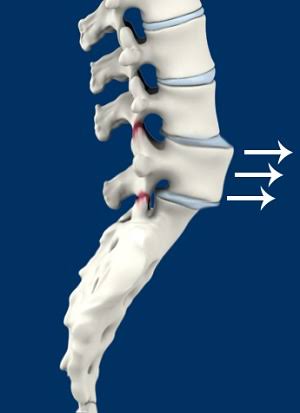
Several spinal conditions may eventually require lumbar spinal fusion or fusion in another region of the spine, depending on where the problem is located. One common reason is spinal instability, where excessive movement between vertebrae contributes to persistent pain. Conditions such as spondylolisthesis, in which one vertebra shifts forward or backward in relation to another, may also affect spinal stability and sometimes require fusion. Advanced degenerative disc disease can cause the discs between the vertebrae to lose their height and cushioning ability, potentially resulting in pain and reduced spinal function. Some patients with severe spinal stenosis may require decompression to relieve pressure on nerves, and fusion may be added when the spine is unstable or when the surgical procedure itself could compromise stability. Fusion may also be considered in selected cases of spinal deformity, certain fractures, recurrent disc problems, infection, or complex conditions following previous spine surgery. Symptoms can include persistent back pain, pain travelling into the legs, numbness, tingling, weakness, difficulty standing or walking, or reduced ability to perform normal daily activities. However, symptoms alone do not automatically mean that fusion surgery is necessary. Doctors generally consider the patient’s medical history, physical examination, imaging findings, duration of symptoms, neurological status, and response to non-surgical treatment before recommending surgery.
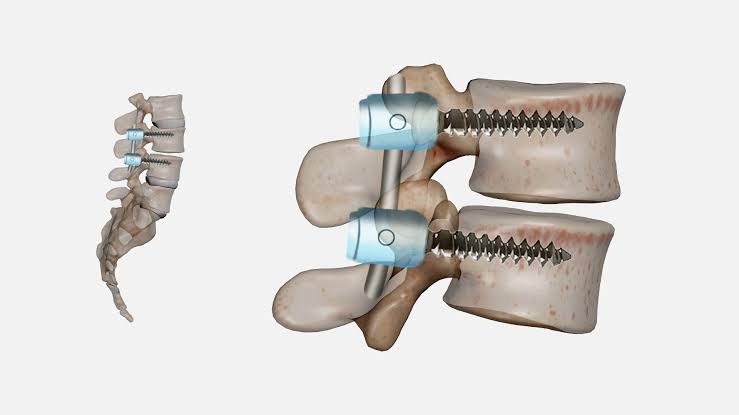
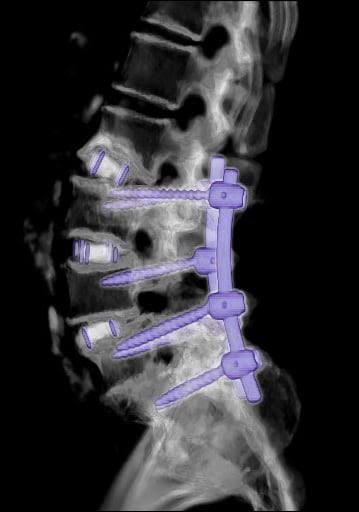
During spinal fusion surgery, the surgeon aims to stabilize the affected spinal segment and create conditions for the vertebrae to grow together over time. Depending on the patient’s condition and the location of the spinal problem, different surgical approaches may be used. The damaged or problematic area may first require decompression to remove pressure from the spinal nerves. The surgeon then places bone graft material between the appropriate vertebrae to encourage new bone growth and fusion. Specialized implants, which may include screws, rods, cages, or plates, can be used to maintain alignment and provide stability while the fusion heals. The exact surgical technique varies according to the patient’s diagnosis, spinal anatomy, and overall health. In some cases, minimally invasive techniques may be suitable, potentially resulting in smaller incisions and reduced soft-tissue disruption. However, not every patient is a candidate for minimally invasive surgery, and the most appropriate approach should be selected based on individual clinical needs rather than the technique alone. The goal of surgery is to address the underlying structural problem, stabilize the spine, and relieve symptoms caused by abnormal movement or nerve compression. Patients should have a detailed discussion with their spine surgeon about the expected benefits, possible risks, alternatives, and realistic outcomes before making a decision.
Recovery after spinal fusion is a gradual process, and every patient’s experience can be different. Depending on the type and extent of surgery, many patients are encouraged to begin moving and walking soon after the procedure under medical supervision. During the early stages of recovery, patients may be advised to avoid heavy lifting, excessive bending, and twisting movements while the fusion begins to heal. Pain and stiffness around the surgical area can occur initially and generally improve as recovery progresses. A structured spinal fusion rehabilitation program may include physiotherapy, guided exercises, posture education, and gradual strengthening of the muscles supporting the spine. The actual fusion process can take several months, so following the surgeon’s instructions during this period is extremely important. Maintaining a healthy body weight, eating a balanced diet with adequate nutrients, avoiding smoking, and following recommended activity restrictions can support bone healing and overall recovery. Patients should also understand that successful recovery is not determined by surgery alone. Consistent rehabilitation and long-term lifestyle changes play an important role in helping patients regain strength, confidence, and functional mobility. Regular follow-up appointments allow the treating team to monitor healing and address any concerns during the recovery journey.
The decision to undergo disc fusion or spinal fusion surgery should always be individualized and based on a thorough medical assessment. Surgery may become an appropriate option when a clearly identified structural spinal problem is causing persistent symptoms, when significant spinal instability is present, when nerve compression is associated with progressive neurological problems, or when carefully supervised non-surgical treatments have failed to provide meaningful improvement. It is important to remember that the presence of a disc problem on an MRI does not automatically mean that surgery is required. Some patients with disc degeneration or spinal changes may have little or no pain, while others with similar imaging findings may experience significant symptoms. This is why clinical evaluation and correlation between symptoms and imaging are essential before treatment decisions are made. For appropriately selected patients, spinal fusion can help restore stability, reduce pain associated with abnormal spinal movement, and improve the ability to perform daily activities. If persistent back pain, radiating leg pain, numbness, weakness, or difficulty walking is affecting your quality of life, timely consultation with a qualified orthopaedic spine specialist can help identify the underlying problem and explore suitable treatment options. The right treatment is not always surgery—but when fusion is genuinely indicated, careful planning, appropriate surgical technique, and dedicated rehabilitation can help patients move towards a more stable and active future.
Dr Subodh M Shetty & Team
Expert Spine Surgeon