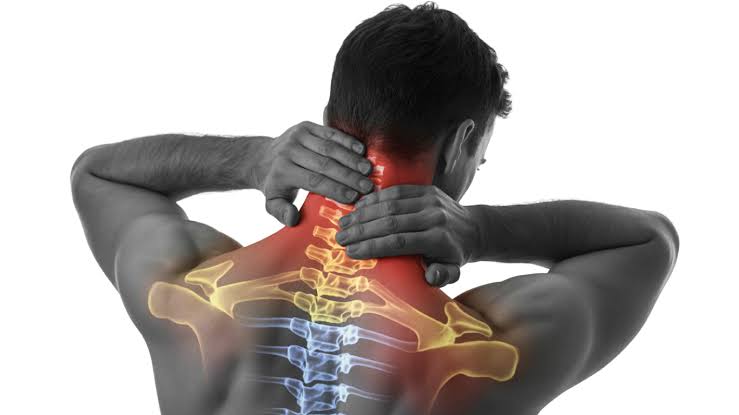
Spinal instability is a condition in which one or more segments of the spine are unable to maintain their normal alignment and stability during movement. The spine is designed to provide both strength and flexibility, allowing us to bend, twist, walk, and perform everyday activities while protecting the spinal cord and nerves. However, injury, age-related degeneration, disc problems, fractures, or conditions affecting the spinal joints can sometimes disrupt this balance. When the vertebrae move excessively or abnormally, it can result in persistent back pain, stiffness, reduced mobility, or irritation of nearby nerves. For some individuals, spinal instability may be mild and manageable with physiotherapy, exercise, medications, and lifestyle modifications. For others, the condition may progressively affect their ability to stand, walk, work, or participate in activities they once enjoyed. In carefully selected patients, spinal fusion surgery, sometimes referred to as disc fusion in common usage, may be recommended to stabilize the affected spinal segment. The aim is to reduce abnormal movement, restore structural stability, and help patients regain better function and quality of life.
The causes of spinal instability can vary significantly from one person to another. Degenerative disc disease is one of the common causes, as the discs between the vertebrae can gradually lose their height, flexibility, and ability to absorb mechanical stress. As the disc deteriorates, the normal movement and alignment of the spinal segment may be affected. Spondylolisthesis, where one vertebra slips in relation to another, can also lead to instability and may cause significant back or leg symptoms. Spinal fractures, previous spine surgery, certain spinal deformities, infections, and traumatic injuries can also compromise spinal stability. Patients may experience persistent lower back or neck pain, a feeling of weakness or instability in the spine, stiffness, difficulty maintaining certain positions, or pain that increases with standing, walking, bending, or physical activity. If instability is associated with nerve compression, symptoms may extend into the arms or legs and include pain, tingling, numbness, or muscle weakness. In some individuals, symptoms may gradually worsen over time, making routine tasks such as climbing stairs, travelling, working, or even getting out of a chair increasingly difficult. Because these symptoms can overlap with several other spinal conditions, a thorough clinical assessment and appropriate imaging are essential to identify the underlying cause.
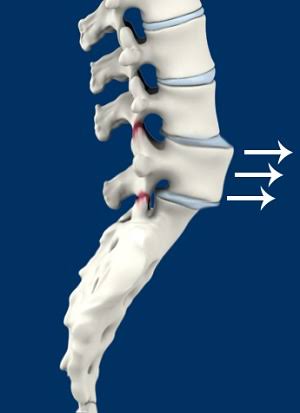
Living with spinal instability can affect much more than physical comfort. Persistent pain and restricted movement may gradually change how a person performs everyday activities. Some individuals begin avoiding exercise, social activities, travel, or household responsibilities because they are worried that movement will increase their pain. Reduced physical activity can, in turn, lead to muscle weakness and further loss of mobility, creating a cycle that becomes difficult to break. Sleep may also be disturbed when pain and stiffness make it uncomfortable to change positions at night. For working professionals, spinal instability can make prolonged sitting or standing challenging and may affect productivity and concentration. Over time, these limitations can have an emotional impact as well, with patients feeling frustrated about losing their independence or being unable to participate in activities they previously enjoyed. However, a diagnosis of spinal instability does not automatically mean that surgery is required. Depending on the severity and cause, many patients may benefit from non-surgical treatment, including physiotherapy, targeted strengthening exercises, medications, posture correction, weight management, and modifications to daily activities. The primary objective is to improve spinal support, reduce symptoms, and maintain mobility while avoiding unnecessary strain on the affected area.
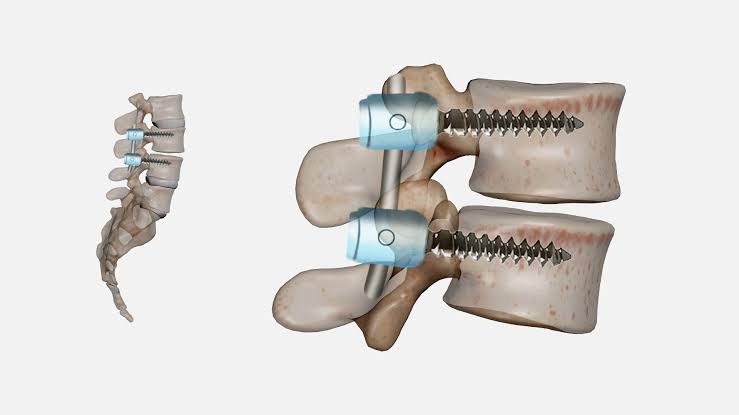
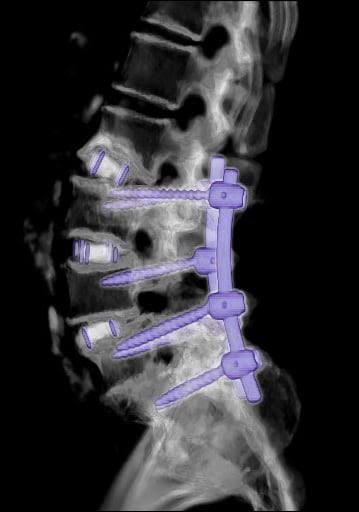
When spinal instability causes persistent symptoms despite appropriate non-surgical treatment, or when significant structural problems and nerve compression are present, spinal fusion surgery may be considered. The procedure involves joining two or more vertebrae so that they gradually heal together as one stable unit. During surgery, the surgeon may use bone graft material along with specialized implants such as screws, rods, or cages to maintain alignment and stability while the fusion develops. In certain cases, decompression may also be performed to relieve pressure on spinal nerves that are causing pain, numbness, or weakness. The specific surgical approach depends on the location and cause of instability, the patient’s overall health, and the condition of the surrounding spinal structures. The goal of fusion surgery is not simply to treat pain but to address the underlying mechanical problem by reducing abnormal movement and providing a more stable spinal segment. However, spinal fusion is a major decision and is not appropriate for every patient with back pain or spinal degeneration. A detailed evaluation by an experienced orthopaedic spine surgeon is necessary to determine whether the patient’s symptoms are genuinely related to instability and whether the potential benefits of surgery outweigh its risks.
Recovery following spinal fusion is a gradual process, and the timeline can differ depending on the type of surgery, the number of spinal levels treated, and the patient’s general health. Many patients are encouraged to begin walking soon after surgery under medical supervision, while activities involving heavy lifting, excessive bending, or twisting are restricted during the early healing period. As the spine heals, a structured rehabilitation programme can help patients gradually rebuild strength, improve flexibility, and regain confidence in movement. Maintaining a healthy weight, avoiding smoking, following nutritional recommendations, and adhering to prescribed physiotherapy are important factors that can support recovery. For appropriately selected patients, successful spinal fusion can help reduce pain related to abnormal movement, improve spinal stability, and make everyday activities more manageable. The decision to undergo surgery should always be based on an individualized assessment rather than imaging findings alone. If persistent back pain, recurrent symptoms, difficulty walking, or radiating pain and weakness are affecting your quality of life, timely consultation with a qualified spine specialist can help determine the cause and identify the most suitable treatment options. With the right diagnosis and a carefully planned treatment approach, patients living with spinal instability may be able to regain stability, improve mobility, and move towards a more active and independent life.
Dr Subodh M Shetty & Team
Expert Spine Surgeon