Persistent lower back pain can affect every part of daily life. Simple activities such as walking, standing for a long time, climbing stairs, sitting comfortably, bending, or even getting out of bed may become difficult when the lower spine is unstable or painful. While many back pain problems improve with medicines, physiotherapy, exercise, posture correction, and lifestyle changes, some spinal conditions need advanced medical treatment when conservative care fails to provide relief.
One such treatment is Lumbar Spinal Fusion, a well-established spine surgery performed to restore stability in the lower back. This procedure is usually recommended when abnormal movement between the vertebrae becomes a major cause of pain, nerve compression, weakness, or reduced mobility. Although the term “spinal fusion” may sound worrying to many patients, modern spine surgery has become more precise, safer, and more recovery-focused due to improved surgical techniques, advanced implants, better imaging, and structured rehabilitation programs.
Understanding what lumbar spinal fusion is, why it is advised, who may need it, and what recovery involves can help patients make informed decisions with confidence.
What Is Lumbar Spinal Fusion?
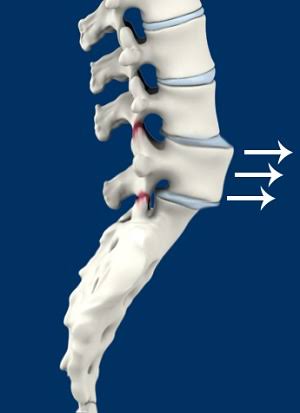
The lumbar spine is the lower part of the backbone and consists of five vertebrae. These vertebrae support much of the body’s weight and help with movement, flexibility, balance, and posture. Between the vertebrae are intervertebral discs, which work like shock absorbers. The spine also contains joints, ligaments, muscles, and nerves that work together to provide both movement and stability.
In a healthy spine, the vertebrae move in a controlled manner. However, certain conditions can disturb this balance. When one or more spinal segments become unstable, painful movement may occur between the vertebrae. This instability can irritate nearby nerves, cause chronic lower back pain, and affect walking or daily function.
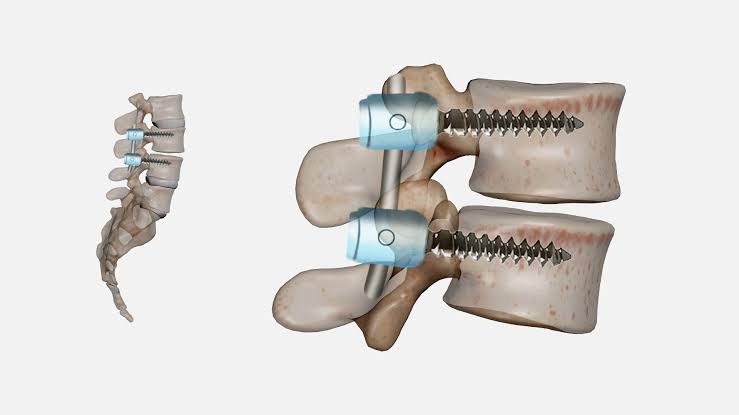
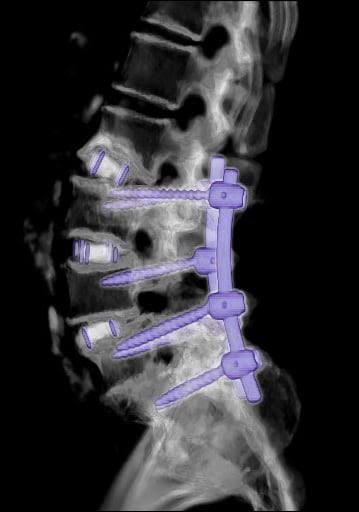
Lumbar Spinal Fusion surgery aims to stop this abnormal movement by permanently joining two or more affected vertebrae. During the procedure, the spine surgeon uses bone graft material and specialized implants such as screws, rods, or cages to support the spine. Over time, the bones heal and fuse together into one stable unit. This helps reduce painful motion, protect the nerves, and improve spinal alignment and function.
When Is Lumbar Spinal Fusion Recommended?
Lumbar spinal fusion is not recommended for every case of back pain. It is usually considered only when a clear structural problem or spinal instability is identified and non-surgical treatments have not provided adequate relief. A spine specialist carefully evaluates the patient’s symptoms, physical examination findings, imaging reports, activity level, and overall health before recommending surgery.
Common conditions that may require lumbar spinal fusion include degenerative disc disease, where the spinal discs wear out and cause pain; spondylolisthesis, where one vertebra slips forward over another; recurrent slipped disc problems; severe arthritis of the spine; spinal deformity; spinal fractures; and instability after previous spine surgery. In some cases, lumbar spinal fusion may also be advised when nerve compression is associated with spinal instability and decompression alone may not be enough.
Patients may experience long-standing lower back pain, pain spreading to the legs, numbness, tingling, muscle weakness, difficulty walking, reduced standing tolerance, or disturbed sleep due to pain. These symptoms can significantly affect quality of life, especially when they continue for several months despite medicines, rest, physiotherapy, and lifestyle correction.
Why Spine Stability Is Important
The spine must be both flexible and stable. Flexibility allows movement, while stability protects the spinal cord, nerves, and surrounding structures. When the lower spine becomes unstable, even normal movements can trigger pain. In some patients, instability may also worsen nerve compression, leading to leg pain, weakness, or difficulty walking.
Lumbar spinal fusion helps by creating a stable spinal segment. Once abnormal motion is controlled, pain caused by instability may reduce. If nerve compression is also present, the surgeon may perform decompression along with fusion to relieve pressure on the nerves. The goal is not only to reduce pain but also to improve mobility, walking ability, posture, and independence in daily activities.
How Is Lumbar Spinal Fusion Surgery Performed?
The exact surgical approach depends on the patient’s diagnosis, spine condition, level of instability, and overall health. In general, lumbar spinal fusion involves removing damaged disc material if required, preparing the affected vertebrae for fusion, placing bone graft material, and stabilizing the spine with implants.
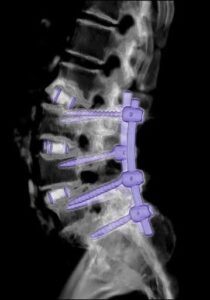
There are different techniques used for spinal fusion, including posterior, anterior, lateral, or minimally invasive approaches. In many cases, screws and rods are used to hold the vertebrae in the correct position while the bone fusion develops over time. The surgeon chooses the best approach based on imaging findings and the patient’s specific spinal problem.
Modern surgical planning, improved imaging support, advanced implants, and minimally invasive options have helped make lumbar spinal fusion more accurate and patient-friendly. The aim is to achieve proper spinal stability while minimizing tissue damage and supporting faster rehabilitation wherever possible.
Who Can Benefit from Lumbar Spinal Fusion?
Patients who may benefit from lumbar spinal fusion usually have symptoms that are linked to spinal instability or structural damage. A suitable candidate may have chronic lower back pain that has not improved with conservative treatment, leg pain due to nerve compression, reduced walking ability, repeated slipped disc episodes, spinal deformity, spondylolisthesis, or pain after previous spine surgery where additional stabilization is required.
However, the decision is never based only on an MRI or X-ray. Many people may have changes in their spine scans without needing surgery. A proper clinical evaluation is essential to confirm whether the symptoms match the scan findings. This is why consultation with an experienced orthopaedic spine specialist is important before deciding on lumbar spinal fusion.
Recovery After Lumbar Spinal Fusion
Many patients worry that spinal fusion means permanent restriction of movement or a very long recovery. In reality, recovery has improved significantly with modern surgical care and rehabilitation protocols. Depending on the patient’s condition and the type of surgery performed, walking may begin within a day or two after surgery under medical supervision.
Physiotherapy plays an important role in recovery. In the early stage, the focus is on safe movement, walking, pain control, and avoiding strain on the healing spine. As recovery progresses, exercises are introduced to strengthen the back, improve flexibility, support posture, and rebuild confidence in movement.
Patients are usually advised to avoid heavy lifting, excessive bending, twisting, and sudden jerky movements while the fusion is healing. Bone healing takes time, and complete fusion may take several months. Regular follow-up visits help the surgeon monitor healing and guide activity progression.
Lifestyle also has a major role in long-term success. Maintaining a healthy body weight, eating a protein-rich and calcium-rich diet, avoiding smoking, controlling diabetes if present, following physiotherapy advice, and practicing correct posture can support better recovery and long-term spine health.
Benefits of Lumbar Spinal Fusion
For carefully selected patients, lumbar spinal fusion can provide meaningful improvement in pain, stability, walking ability, and quality of life. By reducing abnormal movement in the spine, the procedure may help patients return to normal routines with better comfort. When nerve compression is treated along with fusion, symptoms such as leg pain, numbness, tingling, or weakness may also improve depending on the severity and duration of nerve involvement.
The key benefit of lumbar spinal fusion is spinal stability. A stable spine can help patients move with greater confidence, sleep better, perform daily activities more comfortably, and reduce dependence on frequent pain medications. However, results vary from patient to patient, and the outcome depends on correct diagnosis, proper surgical planning, rehabilitation, and patient cooperation during recovery.
Myths About Lumbar Spinal Fusion
One common myth is that spinal fusion stops all movement in the back. In most cases, only the affected spinal segment is fused, while the remaining healthy segments continue to move. Another misconception is that surgery is always the first option for back pain. In reality, lumbar spinal fusion is generally considered only after conservative treatments have failed and a clear structural reason for pain has been identified.
Some patients also believe that recovery is impossible after spine surgery. With modern techniques, early mobilization, and guided physiotherapy, many patients are able to return to work, daily activities, and an active lifestyle after proper healing. The recovery timeline varies, but following medical advice improves the chances of a successful outcome.
When Should You Consult a Spine Specialist?
You should consult a spine specialist if lower back pain persists for several weeks or months, keeps returning despite treatment, spreads to the legs, causes numbness or tingling, affects walking, causes weakness, disturbs sleep, or limits daily work. Early diagnosis can prevent worsening of spinal problems and help identify whether the condition can be managed without surgery or requires surgical treatment.
Ignoring persistent symptoms may allow spinal instability, nerve compression, or deformity to progress. Timely evaluation with a qualified orthopaedic spine specialist helps patients understand the cause of pain and choose the most appropriate treatment plan.
Conclusion
Lumbar spinal fusion is an important surgical option for patients with chronic lower back pain caused by spinal instability, structural damage, or nerve compression that has not improved with conservative treatment. It is not performed simply because back pain exists. It is recommended only after a detailed diagnosis confirms that stabilizing the spine is necessary for pain relief and improved function.
For the right patient, lumbar spinal fusion can help restore spinal stability, reduce pain, improve mobility, and support a better quality of life. The success of treatment depends on accurate diagnosis, careful surgical planning, advanced technique, proper rehabilitation, and long-term lifestyle changes.
If lower back pain is affecting your ability to walk, work, sleep, or enjoy daily life, seeking timely medical advice is the first step toward recovery. A stable spine forms the foundation of an active and independent life. With the right treatment and guidance, patients can move toward improved mobility, renewed confidence, and a healthier future.
With regards,
Dr Subodh Shetty & Team
Spine & Joint Surgeon
Orthopaedic Specialist