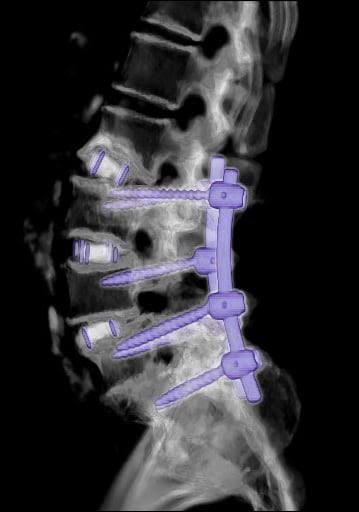
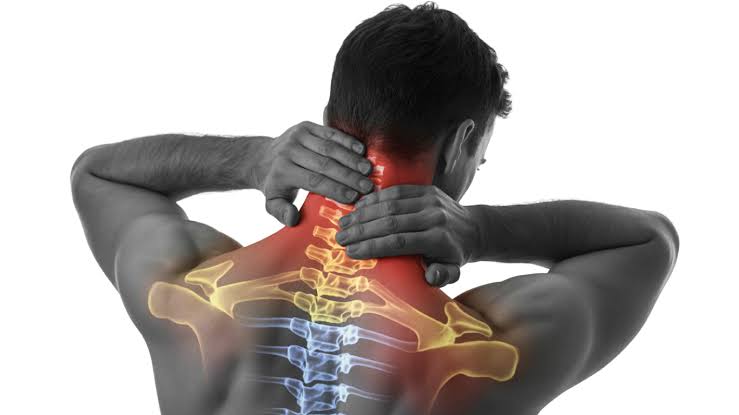
Pain that starts in the lower back and extends to one or both legs, with acute pain in the buttocks, may indicate sciatica. This occurs when the largest nerve in the body, the Sciatic Nerve, becomes irritated, compressed, or swollen due to many spinal cord-related health conditions, usually from a slipped disc, spinal stenosis, or degenerative changes. In many people’s cases, sciatica improves with rest, proper medications, physiotherapy, and lifestyle modifications, but that doesn’t mean all forms of sciatica are harmless. Sometimes, worsening pain occurring repeatedly, affecting the overall lifestyle, may be indicative of immediate medical attention or may be symptoms of any other complications related to spinal health conditions. Ignoring the earlier symptoms may impact day-to-day activities, and if it’s prolonged, it can lead to complicated spinal conditions and nerve damage. Understanding when sciatica is becoming serious can help get treatment on time and reduce complications, ensuring an individual’s mobility isn’t adversely impacted and restoring quality of life while seeking appropriate, timely treatment.
A classic sign that sciatica is becoming serious is when an individual senses the pain more often, it gradually worsens, doesn’t subside with just rest, and starts interfering with their daily life. Yes, the pain that doesn’t go away even after rest and persists for days or weeks cannot be overlooked. As mentioned in the earlier paragraph, some people sense the pain radiating from the lower back to the leg or both legs through acute pain in the butt region, which feels like an electric current sort of pain, a sharp and burning sort of sensation. This pain can worsen while walking, sitting for prolonged periods, or even when sneezing or coughing. If the pain persists even after home remedies or rest, it can indicate underlying conditions that have led to nerve damage. Another classic sign that sciatica is getting worse is pain even while resting or sleeping, which can affect regular sleep as well. This sort of pain that wakes up a person at night from their sleep or affects their normal daily routine warrants prompt medical attention and shouldn’t be ignored. Let me tell you that just relying on painkillers for a prolonged period can only give temporary relief but can affect the other body parts’ vital functions and may also cause a lot of harm to early detection and prevention of further damage that may occur from sciatica.
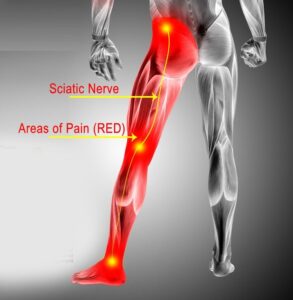
Apart from the pain, certain neurological issues must also be carefully noticed and should never be ignored at the initial stage. When the sciatic nerve is affected or compressed, sharp pain, tingling, or numbness is quite common. While some conservative treatment can be effective, if these sorts of variations persist for long, it indicates advanced nerve damage. Muscle weakness is another serious symptom. Some people complain about difficulty in walking, climbing stairs, lifting their front foot or standing on their toes. And some people may develop a condition known as foot drop, in which lifting the foot is challenging, and they may drag it while walking. This needs urgent medical attention; otherwise, it may lead to permanent weakness while affecting the nerves involved. Loss of balance, improper lifting of feet, loss of coordination, and increased instability while walking should be promptly examined. Another overlooked sign is the sudden appearance of improper bowel or bladder movements, along with the pain in the groin region spreading towards the inner thighs. This is a rare but serious condition, which is known as cauda equina syndrome, calls for immediate medical urgency, and treatment must be started as soon as it’s diagnosed, otherwise it may lead to permanent neurological damage.
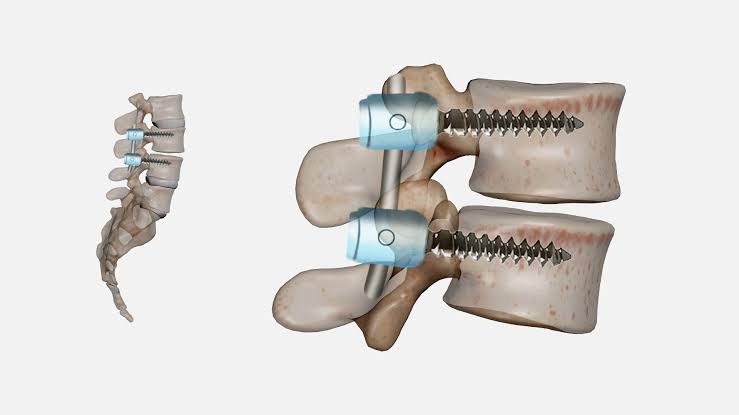
Fortunately, most of the signs, when recognised and treated, can effectively reduce the complications. Most cases of sciatica don’t require surgery when diagnosed and treated early. Timely medical diagnoses & interventions from an Orthopaedic Specialist or Spine Surgeon can ensure effective treatment, who will provide suitable medications and work with individuals to assist the patient’s recovery, stabilising their regular body movements and making dietary modifications, if required, such as a physiotherapist and a nutritionist. The conservative treatment usually involves posture correction, physiotherapy, and lifestyle modifications, sometimes including dietary changes, with the involvement of a nutritionist if the case requires reducing overall body weight as well. Hence, it is important to maintain a healthy body weight and practice guided exercises to correct posture to ensure proper treatment while also reducing the risk of recurrence. However, when symptoms continue despite a conservative treatment approach or when weakness progresses for a prolonged period and severe neurological deficits are present, surgical treatment may be necessary. Modern spine surgery techniques are designed to relieve pressure on the affected nerves while minimizing tissue damage and promoting faster recovery. The decision to proceed with surgery depends on several factors, including the severity of symptoms, duration of pain, and impact on daily life.
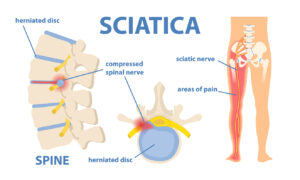
If the symptoms persist and are accompanied by neurological changes, sciatica should never be ignored. Persistent pain, weakness, and increasing numbness, accompanied by changes in bowel movement, should be the signs that need urgent medical attention to avoid permanent neurological damage caused by Sciatica. Earlier treatment can increase the chances of successful recovery. Delaying further may only cause permanent damage to the nerves involved and may also cause permanent disability. Maintaining good spinal health through regular exercise, proper posture, safe lifting techniques, and timely management of back pain can go a long way in preventing sciatica-related problems. Listening to your body’s warning signals and seeking expert care at the right time can make a significant difference in preserving mobility, comfort, and overall quality of life. A healthy spine supports an active life, and addressing serious signs of sciatica early is one of the most important steps toward long-term spinal well-being. To know more, contact us today.