Lumbar spinal instability is a condition that affects the lower back and can lead to chronic pain, mobility issues, and reduced quality of life. If you are experiencing persistent back pain that worsens with movement or certain postures, you may be suffering from lumbar spinal instability. But how exactly is this condition diagnosed?
In this blog, we will explain the signs and symptoms to look out for, the diagnostic procedures used by spine specialists, and why early diagnosis is critical for effective treatment. If you’re in Bangalore and looking for expert care, Ishaan Ortho & Spine is recognized as the best spine hospital in Bangalore, offering advanced diagnostic tools and treatment plans tailored to your condition.
What Is Lumbar Spinal Instability?
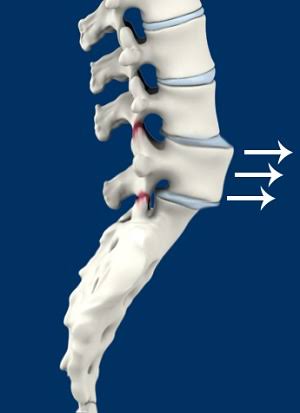
Lumbar spinal instability refers to excessive or abnormal movement between two or more vertebrae in the lower spine. This can be due to degenerative disc disease, trauma, spinal surgery, or congenital issues. When the spine becomes unstable, it can compress nerves, cause inflammation, and lead to a variety of symptoms.

Common Symptoms of Lumbar Spinal Instability
Before jumping into diagnostics, it’s important to recognize the common symptoms, which include:
-
Lower back pain that worsens with standing or activity
-
A sensation of “catching” or “locking” in the back
-
Numbness or tingling in the legs
-
Muscle weakness
-
Limited flexibility or range of motion
If you’re experiencing these symptoms, it’s time to consult a spine specialist at a trusted center like Ishaan Ortho & Spine.
Clinical Examination
The first step in diagnosing lumbar spinal instability is a detailed physical examination by a spine expert. This includes:
-
Medical history review: Understanding any past injuries, surgeries, or chronic issues
-
Palpation: Feeling the spine and surrounding muscles for tenderness or irregularities
-
Range of motion tests: Observing how your spine moves when you bend, twist, or stretch
-
Neurological tests: Checking reflexes, muscle strength, and sensory function
These tests help identify signs of nerve compression or spinal misalignment, which are key indicators of instability.
Imaging Tests Used to Diagnose Lumbar Spinal Instability
1. X-rays
Dynamic X-rays (flexion and extension views) are the most commonly used imaging test to detect lumbar instability. They are taken while the patient bends forward and backward. The doctor looks for abnormal vertebral motion, which suggests instability.
High search keyword: X-ray for lumbar instability
2. MRI (Magnetic Resonance Imaging)
An MRI scan provides detailed images of soft tissues, including intervertebral discs, nerves, and spinal ligaments. It is especially useful in detecting conditions like degenerative disc disease, herniated discs, or spinal stenosis, which may contribute to instability.
High search keyword: MRI for lower back pain
3. CT Scan (Computed Tomography)
A CT scan gives high-resolution images of the bones in the lumbar spine. It helps identify bony abnormalities, fractures, or facet joint issues that could be causing instability.
High search keyword: CT scan for spinal instability
4. Discography
In some complex cases, a discography may be recommended. This involves injecting contrast dye into a spinal disc to assess if the disc is the source of pain. It’s usually reserved for patients being considered for spinal fusion surgery.
Advanced Diagnostic Tools at Ishaan Ortho & Spine
At Ishaan Ortho & Spine, the best spine hospital in Bangalore, a multi-disciplinary team of spine surgeons, radiologists, and physiotherapists work together to ensure accurate diagnosis. The hospital is equipped with:
-
High-resolution digital X-ray machines
-
State-of-the-art MRI and CT scanners
-
Dynamic imaging for motion analysis
-
In-house lab for quick test results
Whether you’re dealing with chronic lower back pain or unexplained weakness in your legs, Ishaan Ortho & Spine offers precise, personalized care.
High search keyword: best spine specialist in Bangalore
Differential Diagnosis: Ruling Out Other Conditions
Lumbar spinal instability can sometimes mimic other spinal disorders. The diagnosis process also involves ruling out:
-
Lumbar disc herniation
-
Spinal stenosis
-
Sciatica
-
Spondylolisthesis
That’s why it’s crucial to get evaluated by a spine expert who can correctly identify the root cause of your symptoms.
When Should You See a Spine Specialist?
You should seek medical help if you have:
-
Persistent or worsening lower back pain
-
Pain that radiates to your legs
-
Difficulty walking or standing
-
Muscle spasms or stiffness in the lower back
-
A history of spinal trauma or surgery
Early diagnosis not only improves outcomes but also allows for non-surgical treatment options, such as physical therapy, core strengthening, and pain management.
Conclusion
Lumbar spinal instability is a serious yet treatable condition. Diagnosis begins with a clinical exam and is confirmed using advanced imaging techniques like X-rays, MRIs, and CT scans. The sooner you receive an accurate diagnosis, the better your chances of effective recovery.
If you’re looking for expert diagnosis and treatment in Bangalore, visit Ishaan Ortho & Spine, the best spine hospital in Bangalore. With a dedicated team and cutting-edge technology, you’ll receive the highest standard of care for your spinal health.