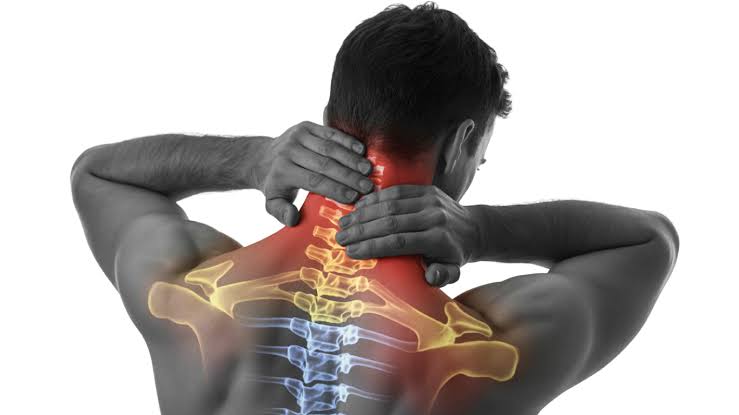
Uneven posture is often ignored as a minor issue caused by poor sitting habits or muscle strain. However, in some cases, it can be an early indicator of a serious spinal condition known as neuromuscular scoliosis. If you or your child has a noticeable posture imbalance, it’s important to understand whether it could be linked to an underlying condition.
In this blog, we’ll explore the connection between uneven posture and neuromuscular scoliosis, along with symptoms, causes, and treatment options.
What is Neuromuscular Scoliosis?
Neuromuscular scoliosis is a type of scoliosis that occurs due to problems in the muscles or nerves that support the spine. Unlike other forms, it is commonly associated with neurological or muscular conditions such as:
- Cerebral palsy
- Muscular dystrophy
- Spinal cord injuries
- Spina bifida
These conditions weaken the muscles, making it difficult to maintain proper spinal alignment, leading to abnormal curvature.
Is Uneven Posture a Sign of Neuromuscular Scoliosis?
Yes, uneven posture can be one of the earliest signs of neuromuscular scoliosis. When the muscles fail to support the spine properly, it can result in visible imbalances.
Common Postural Signs to Watch:
- One shoulder higher than the other
- Uneven hips or waistline
- Head not centered over the pelvis
- Leaning to one side while sitting or standing
- Prominent shoulder blade on one side
These signs often appear gradually and may worsen over time if not treated.
Why Does Uneven Posture Occur?
In neuromuscular scoliosis, the root cause is muscle imbalance. The nerves fail to send proper signals to muscles, leading to:
- Weak muscle support
- Poor spinal stability
- Progressive spinal curvature
This results in postural imbalance, which is often mistaken for simple bad posture.
Difference Between Poor Posture and Neuromuscular Scoliosis
Many people confuse bad posture with scoliosis. Here’s how to differentiate:
| Poor Posture | Neuromuscular Scoliosis |
|---|---|
| Temporary and correctable | Progressive and structural |
| Improves with posture correction | Does not improve easily |
| No spinal deformity | Visible spinal curvature |
| No neurological condition | Associated with nerve/muscle disorders |
If posture doesn’t improve despite correction efforts, it could indicate scoliosis symptoms.
Other Symptoms of Neuromuscular Scoliosis
Along with uneven posture, you may notice:
- Back pain or discomfort
- Difficulty sitting upright
- Muscle weakness
- Reduced mobility
- Breathing difficulties in severe cases
In children, these symptoms may become more noticeable during growth spurts.
How is Neuromuscular Scoliosis Diagnosed?
Early diagnosis is crucial for effective management. Doctors may recommend:
- Physical examination
- X-rays or MRI scans
- Neurological evaluation
If you notice persistent uneven posture in children or adults, consult a specialist immediately.
Treatment Options for Neuromuscular Scoliosis
Treatment depends on the severity of the condition and underlying cause. The goal is to manage symptoms, improve posture, and prevent progression.
1. Physiotherapy
Physiotherapy for scoliosis helps strengthen muscles and improve posture.
Benefits:
- Enhances flexibility
- Improves muscle control
- Reduces discomfort
2. Bracing
Braces may be recommended, especially for growing children, to prevent curve progression.
3. Medications
Pain management may include medications to relieve discomfort associated with spinal curvature.
4. Surgical Treatment
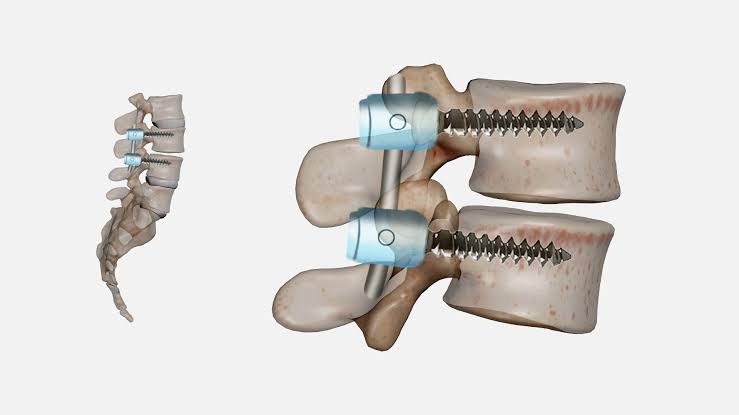
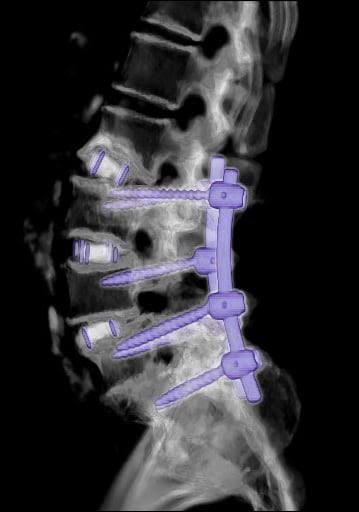
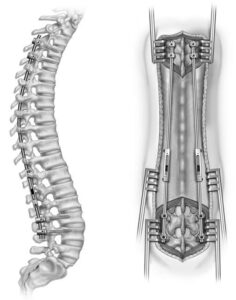
In severe cases, scoliosis surgery may be required to correct the spine and improve quality of life.
Importance of Early Detection
Ignoring uneven posture can lead to complications such as:
- Severe spinal deformity
- Reduced lung function
- Chronic pain
- Mobility issues
Early intervention ensures better outcomes and may reduce the need for surgery.
Tips to Monitor Posture at Home
You can perform simple checks to identify posture issues:
- Observe shoulder and hip alignment in a mirror
- Check if clothing fits unevenly
- Notice leaning while sitting
- Watch for asymmetry in children
These small observations can help detect early signs of scoliosis.
When Should You See a Doctor?
Seek medical advice if you notice:
- Persistent uneven posture
- Visible spinal curve
- Difficulty standing straight
- Pain or discomfort
- Rapid progression of symptoms
Timely consultation with a spine specialist can prevent complications.
Conclusion
So, is uneven posture a sign of neuromuscular scoliosis? The answer is yes—it can be one of the earliest warning signs. While not all posture issues indicate scoliosis, persistent or worsening imbalance should never be ignored.
By recognising symptoms early and seeking appropriate scoliosis treatment, you can prevent progression and improve your quality of life. If you or your child shows signs of uneven posture, consult a specialist for proper evaluation and care.