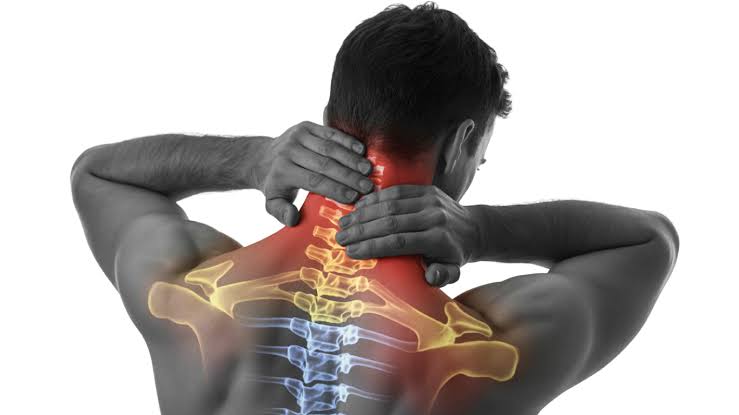
Back pain is one of the most common health complaints today, especially among people with sedentary lifestyles. However, not all back pain is the same. Many people often confuse a muscle strain with a slipped disc (herniated disc), which can delay proper treatment and worsen the condition.
In this guide, we’ll help you clearly understand the difference between the two, identify symptoms, and know when to seek medical help.
Understanding the Basics
What is a Muscle Strain?
A muscle strain occurs when muscles or tendons in your back are overstretched or torn. It usually happens due to:
- Lifting heavy objects incorrectly
- Sudden movements
- Poor posture
- Overuse during workouts
It is one of the most common causes of back pain and is usually temporary.
What is a Slipped Disc?
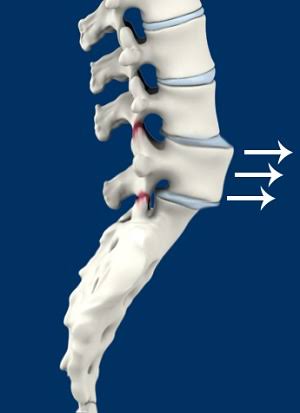
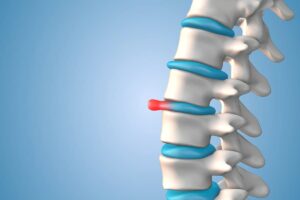
A slipped disc, also known as a herniated disc, happens when the soft cushion (disc) between your spinal bones slips out of place or ruptures. This can press on nearby nerves, causing intense pain and discomfort.
This condition is more serious and may require medical intervention.
Key Differences Between Muscle Strain and Slipped Disc
1. Type of Pain
- Muscle Strain:
- Dull, aching pain
- Feels like soreness or stiffness
- Pain stays in one area
- Slipped Disc:
- Sharp, shooting pain
- Radiates to legs (sciatica) or arms
- Burning or electric shock-like sensation
👉 If your lower back pain radiating to leg is persistent, it could be a sign of a slipped disc.
2. Pain Location
- Muscle Strain:
Pain is localized in the lower or upper back - Slipped Disc:
Pain often spreads to:- Buttocks
- Thighs
- Legs
- Feet
This is commonly associated with sciatica symptoms.
3. Onset of Pain
- Muscle Strain:
- Starts after physical activity or injury
- Pain appears within hours
- Slipped Disc:
- May develop gradually
- Can occur without obvious injury
4. Movement Impact
- Muscle Strain:
- Pain increases with movement
- Improves with rest
- Slipped Disc:
- Pain worsens when sitting, bending, or coughing
- Rest may not always help
5. Nerve-Related Symptoms
- Muscle Strain:
❌ No nerve involvement - Slipped Disc:
✅ Common nerve symptoms:- Numbness
- Tingling sensation
- Weakness in legs or arms
👉 These are classic signs of a herniated disc.
Self-Check: How to Identify Your Back Pain
Ask yourself these questions:
- Do you feel sharp pain shooting down your leg?
- Is there numbness or tingling in your legs or feet?
- Does your pain worsen when sitting or bending?
If YES → It may be a slipped disc
- Is your pain localized and improves with rest?
- Did it start after lifting or physical strain?
If YES → It’s likely a muscle strain
Recovery Time Comparison
- Muscle Strain:
Usually heals within a few days to 2 weeks with rest and care - Slipped Disc:
May take weeks to months depending on severity
Ignoring symptoms can lead to chronic lower back pain and complications.
Treatment Options
For Muscle Strain:
- Rest and avoid heavy activity
- Ice/heat therapy
- Over-the-counter pain relief
- Gentle stretching exercises
For Slipped Disc:
- Physiotherapy
- Pain management medications
- Posture correction
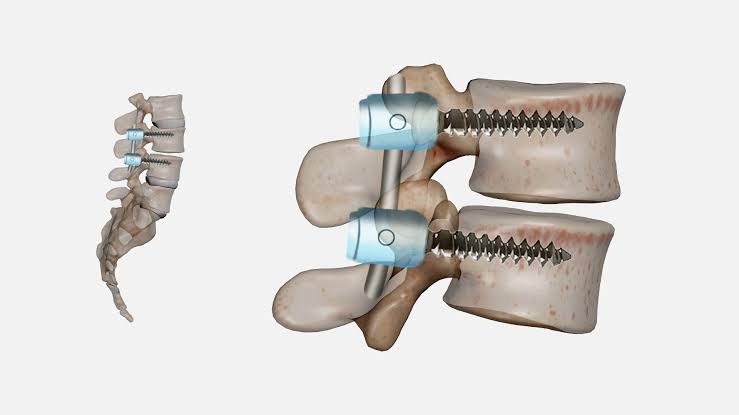
- In severe cases, surgery
👉 Many patients benefit from non-surgical slipped disc treatment, especially when diagnosed early.
Home Care Tips for Both Conditions
- Maintain proper posture while sitting and working
- Use ergonomic chairs
- Avoid lifting heavy weights incorrectly
- Sleep on a supportive mattress
- Stay active with light exercises
When to See a Doctor?
Seek medical attention immediately if you experience:
- Severe back pain lasting more than 2 weeks
- Difficulty walking or standing
- Loss of bladder or bowel control
- Persistent numbness or weakness
These could indicate a serious spine problem requiring urgent care.
Final Thoughts
Understanding whether your pain is due to a muscle strain or a slipped disc is crucial for proper treatment. While muscle strains are common and heal quickly, a slipped disc can lead to long-term complications if ignored.
If you’re experiencing persistent lower back pain, sciatica symptoms, or herniated disc symptoms, don’t delay diagnosis. Early intervention can help you recover faster and avoid surgery.