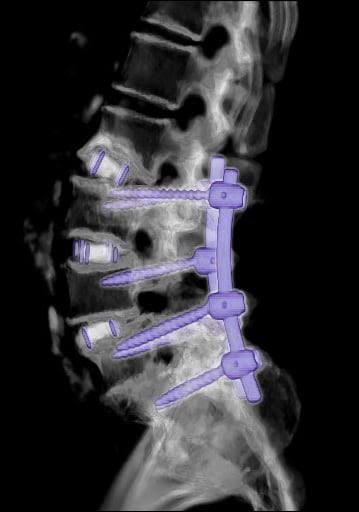
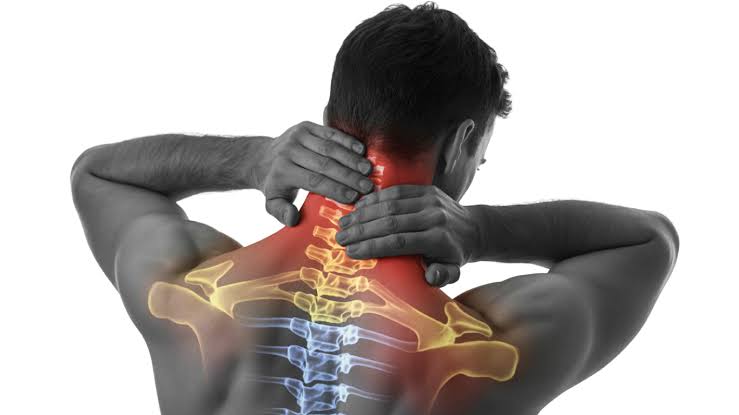
Summer heat waves are becoming increasingly intense, especially across India, and while most people focus on dehydration or heatstroke, one commonly overlooked issue is its impact on muscle health. Many individuals experience frequent muscle cramps, stiffness, fatigue, and even worsening of existing back or shoulder pain during extreme heat. These symptoms are not just coincidental—they are closely linked to how the body responds to high temperatures. As the body works harder to regulate its internal temperature, several physiological changes occur, directly affecting muscles, joints, and overall mobility. Understanding this connection can help individuals take simple but effective steps to protect their musculoskeletal health during the hotter months.
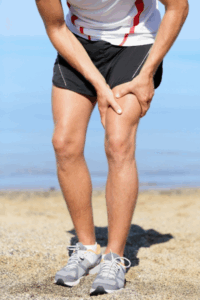
One of the primary reasons for increased muscle cramps in summer is dehydration. When the body loses fluids through excessive sweating, it also loses essential electrolytes such as sodium, potassium, calcium, and magnesium. These minerals play a crucial role in muscle contraction and relaxation. An imbalance can disrupt normal muscle function, leading to sudden, painful cramps—commonly felt in the legs, back, or shoulders. In addition, dehydration reduces blood flow efficiency, meaning muscles may not receive adequate oxygen and nutrients. This can result in quicker fatigue, stiffness, and reduced flexibility. For individuals already dealing with spine or shoulder issues, this can significantly worsen their symptoms, making daily activities more uncomfortable.

Another contributing factor is the body’s tendency to reduce physical activity during extreme heat. Many people avoid movement or exercise due to discomfort, leading to prolonged periods of inactivity. While this might seem protective, it can actually have the opposite effect. Lack of movement causes muscles to become tight and stiff, particularly around the spine and shoulder joints. Poor posture—whether from extended sitting indoors, working long hours in front of screens, or improper sleeping positions—further aggravates muscle tension. Over time, this combination of inactivity and poor ergonomics can lead to persistent stiffness and even trigger chronic pain conditions. For patients with pre-existing orthopaedic concerns such as back pain or frozen shoulder, summer inactivity can delay recovery and increase discomfort.

Heat waves can also indirectly affect muscle health by altering sleep patterns and increasing overall fatigue. High nighttime temperatures often lead to disturbed or inadequate sleep, which plays a critical role in muscle recovery and repair. When the body does not get sufficient rest, muscle tissues may remain in a state of stress, increasing the likelihood of soreness and stiffness. Additionally, fatigue can reduce coordination and muscle efficiency, increasing the risk of minor strains or injuries during routine activities. Even simple actions like lifting objects or sudden movements can become potential triggers for muscle discomfort when the body is already under thermal stress.
The good news is that these issues are largely preventable with a few mindful habits. Staying well-hydrated is the most important step—this includes not just drinking water, but also maintaining electrolyte balance through natural sources like coconut water, fruits, and balanced meals. Light, regular physical activity such as stretching, walking, or guided exercises can help keep muscles flexible and prevent stiffness, even during hot weather. It is also important to maintain good posture, especially for those working from home or in sedentary roles. Wearing comfortable clothing, avoiding peak heat hours, and ensuring adequate sleep can further support muscle health. If muscle cramps, persistent stiffness, or worsening pain continue despite these measures, it is advisable to consult an orthopaedic specialist for proper evaluation and guidance.

In conclusion, while heat waves are often associated with general health concerns, their impact on muscle and joint health deserves equal attention. By understanding the role of dehydration, electrolyte imbalance, inactivity, and fatigue, individuals can take proactive steps to protect their musculoskeletal system. With the right precautions, it is possible to stay active, comfortable, and pain-free even during the peak of summer. Contact us to know more.
Dr. Subodh M Shetty & Team
Senior Orthopaedic Surgeon
Spine & Shoulder Treatment Specialist