Most of the time, people who experience lower back pain, especially in today’s corporate lifestyle, where people are working from home as well as in the office, who don’t follow proper posture, may be at high risk for slipped disc-related medical conditions. These individuals end up with medical complications by exposing themselves to the delayed screening of the Slipped Disc issue. Hence, it’s very important to understand these medical conditions to prevent many from developing chronic conditions that might arise from slipped disc complications if treatment is delayed at an early stage. Most commonly, people have heard of this condition but aren’t aware of this subject completely, which in itself delays people from being treated early, as they settle with pain killers, which only subsides the pain temporarily but do not treat the root cause, ending up with complications.
India, which currently has the largest population in the world, is home to diverse people with varied work backgrounds. Irrespective of individual occupation, people are prone to this medical condition. Labour work in rural India, which mostly involves strenuous activities involving bending, twisting, and heavy lifting with little to no attention to one’s physique, is more prone to this medical condition. However, stress and an unattended unhealthy lifestyle due to lack of self-care, poor postures, dietary issues, and limited physical movements in the rural population, on the other hand, also put people at risk of this medical condition. Through this article, let us understand this problem, which is silently affecting so many people in their day-to-day lives, to raise awareness and encourage people to get screened and seek medical help on time.
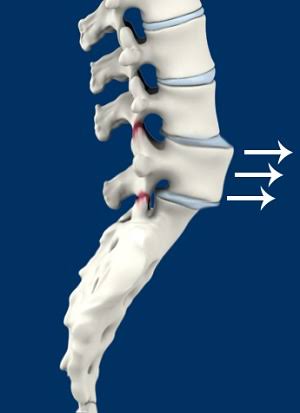
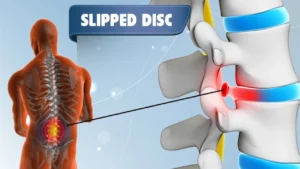
A slipped disc, medically known as a herniated or prolapsed disc, or lumbar disc herniation. It occurs when the tougher outer layer of a disc between vertebrae ruptures or bulges out of position, possibly pressing on adjacent nerves, while the soft, gel-like interior of a spinal disc pushes out through a breach in its outer shell. The 33 vertebrae that make up the human spine are divided by intervertebral discs, which act as shock absorbers and provide spinal flexibility. The entire human spine, which has 33 vertebrae, is divided into three parts. The first one is the cervical (neck) region, which has 7 vertebrae; the second part is the thoracic region, which consists of 12 vertebrae; and the last part is the lumbar or lower back region, which consists of the remaining 5 vertebrae. A prolapsed disc can occur in any of these three regions, but most commonly it’s found in the cervical (neck) or the lower lumbar (lower back) spine.
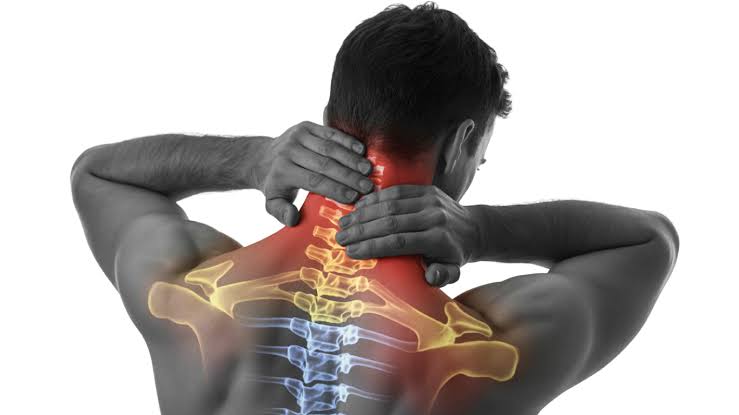
The symptoms of a slipped disc vary depending on the region of the disc affected and the degree of nerve compression. Some individuals experience just low discomfort on the onset, but most people experience chronic pain, which affects their daily activities on a regular basis. The specific medical diagnosis called Sciatica, which falls under the slipped disc problem itself, can often cause pain that radiates from the lower back into the buttocks, thighs, or legs. This pain may feel sharp, burning, or at times electric in nature, which can worsen during simple activities such as sitting or standing, even while coughing or sneezing, or during prolonged standing. Most people who see us experience a tingling sensation or muscle weakness in their legs & feet. When a slipped disc occurs in the neck region, people may experience neck pain, stiffness, shoulder pain, or radiating discomfort into the arms and hands. In more severe cases, individuals may experience difficulty in body movements, reduced grip strength, or problems performing routine tasks. Some symptoms, such as a sudden sense of weakness occurring repeatedly, loss of balance, severe numbness, or even difficulty in bladder control or bowel movements, or a combination of these, need immediate medical intervention. These symptoms may be an indication of severe nerve compression and shouldn’t be ignored. Early diagnosis will always help locate the affected region and choose the right, timely treatment.
Before I reveal the treatment that can help treat this condition effectively, I would like to share some common causes and risk factors. Primarily, the overall lifestyle among the working class, involving poor postures, dietary conditions, smoking, and ignored physical activities, can become the cause. This condition, in most situations, occurs in ageing individuals as part of their joint & bones degenerative process, specifically spinal disc degeneration, as over time during ageing, the spinal disc loses moisture and becomes less flexible. This can also occur among physically active individuals who don’t use proper lifting techniques. Yes! Some people, such as sports or fitness enthusiasts who are prone to physical injuries, may develop slipped disc issues due to technical mistakes during physical activity or unexpected circumstances. In rare cases, even genetic factors that lead to disc degeneration & herniation can become the cause of a herniated or prolapsed disc.
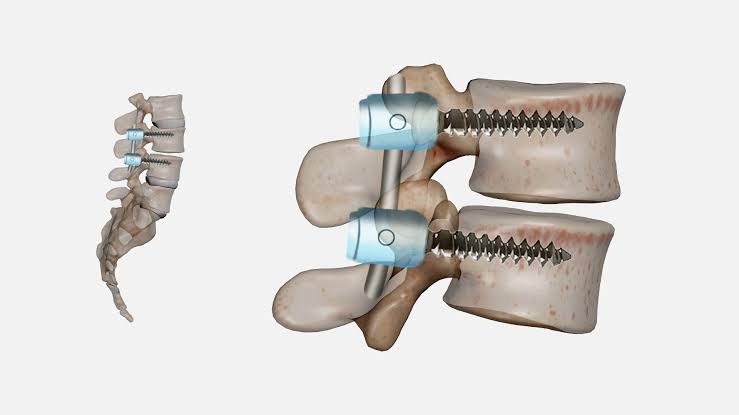
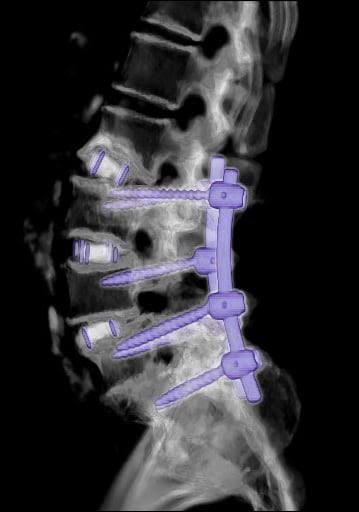
Let’s now discuss the available treatments. Fortunately, not all cases require surgery. Many patients just get back to normal with conservative/ holistic treatment or medications alone. The initial treatment aims to reduce pain, inflammation & pressure in the affected area. Experts may prescribe initial medications and modifications to day-to-day activities, such as posture correction and physiotherapy. To improve body movements and flexibility, and to increase muscle strength and overall physical movement, physiotherapy shouldn’t be ignored. Proper posture correction, use of hot or cold packs when needed, and ergonomic workstations are not only supportive in recovering from slipped disc issues but can also help those who aren’t affected avoid prolapsed discs. People must focus on physical movement, staying active in sports & their day-to-day lives, practising proper posture, and maintaining a healthy overall lifestyle to avoid disc prolapse. In rare cases, when necessary, your experts might suggest surgery, after which you will also be guided by recommendations to avoid future complications, which may include specific medications, posture corrections, and physiotherapy as well.
A slipped disc shouldn’t be ignored, no matter what the intensity of pain one is suffering. Also, it shouldn’t be feared for surgery or permanent disability. With early diagnosis, timely treatment & by sticking to the recommended lifestyle by expert Orthopaedic surgeons, Spine health specialists, or spine surgeons, recovery becomes successful in many cases. One must keep in consideration that ignoring the early symptoms may lead to increased risk of nerve compression affecting regular activities, while worsening the pain, leading to chronic weakness and reduced mobility over time. Maintaining spinal health involves a healthy lifestyle and simple precautions such as taking adequate breaks for sedentary desk workers, proper lifting techniques, maintaining proper posture in everyday activities, keeping the body hydrated, strengthening core muscles, and, most importantly, paying attention to the primary symptoms. A healthy spine plays a major role in maintaining mobility, independence, and quality of life.
Authored By,
Senior Orthopaedic Specialist
Spine & Joint Surgeon
MBBS, MS Ortho, D’Ortho (Manipal)
Fellowship in Minimally Invasive Spine Surgery (Japan)
Fellowship in Paediatric Spine Surgery (Germany)
Consultant Orthopaedic & Spine Surgeon